
How Short To Cut Grass Before Winter? |
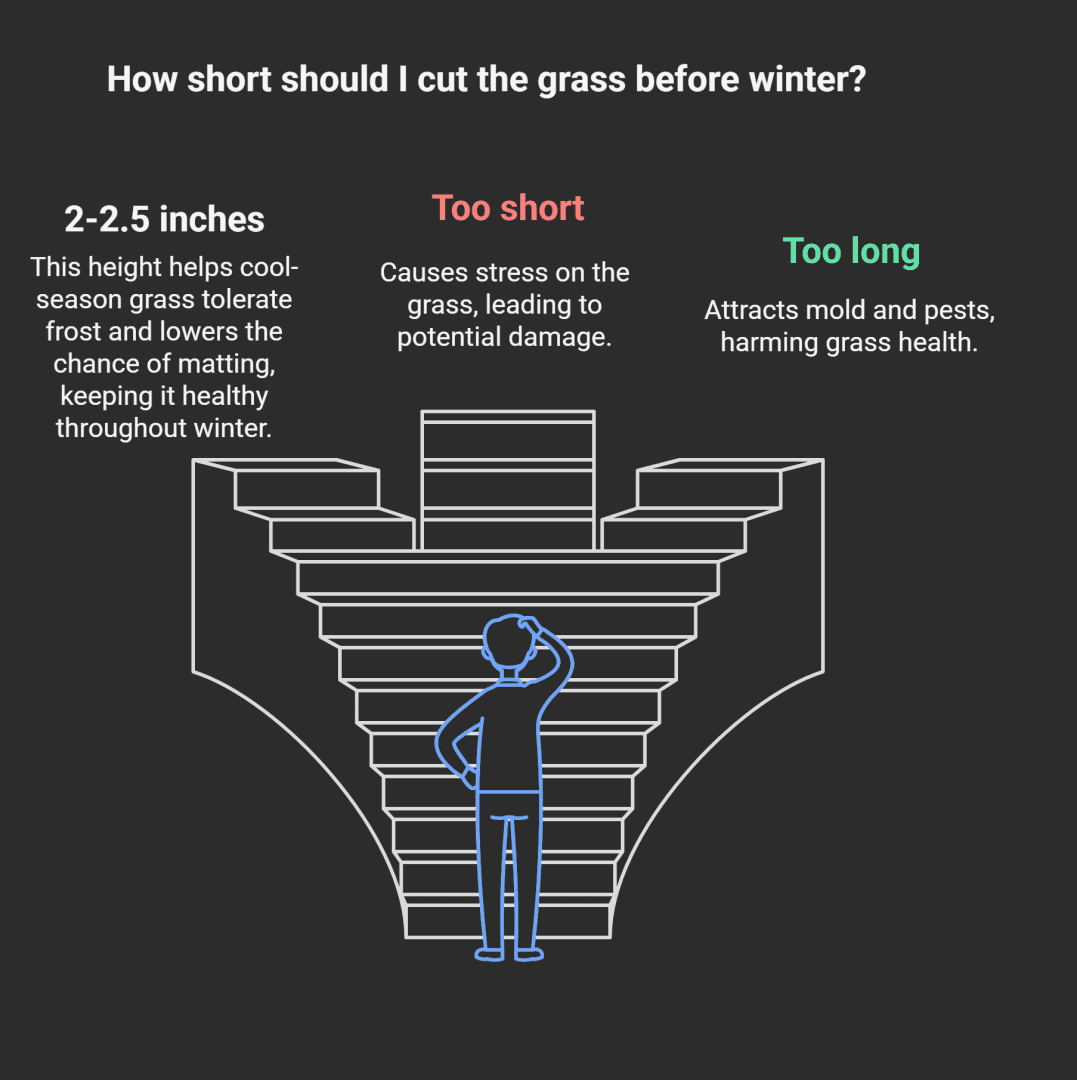
A 2-2.5 inch height helps cool-season grass tolerate frost and lowers the chance of matting.This height keeps the grass healthy throughout the winter and helps it grow back robust in the spring. Knowing the optimal grass height before winter has a significant impact on its health. Cutting it too short causes stress on the grass, while keeping it too long attracts mold and pests. So, how should you approach cutting? |
| Shop The Best Lawn Mower |
Best Height for Cool-Season Grass Before WinterCool-season grasses, including Kentucky bluegrass, fescue, and ryegrass, flourish in cooler weather. You can mow these grasses to about 2-2.5 inches before winter. Keeping them at this height lowers their risk of disease and prepares them for dormancy.
Best Height for Warm-Season Grass in WinterWarm-season grasses, like Bermuda and St. Augustine, often become dormant in the winter. Cut these grasses down to 1.5-2 inches before the first frost. Keep warm-season grasses at a height of 1.5-2 inches to avoid accumulating debris or holding too much moisture.
Trimming them to this length reduces the risk of winter damage. It also helps the grass preserve energy. This gives the grass a better chance of recovering when temperatures climb.
Should You Cut the Grass Shorter or Taller Before Winter?It may be tempting to leave your grass long, believing that it will protect the roots. But, shorter grass is usually preferable in cold weather. Shorter grass will not mat under snow or keep much moisture. This decreases the possibility of mold and pest infestations, which thrive in damp, shadowed environments.
Aim for a balanced height that preserves the grass without leaving it too long. A well-kept lawn allows you to prevent springtime repairs due to winter damage.
|
 |
 |
When Does Grass Stop Growing?Grass growth is usually temperature-dependent. When temperatures fall below 50°F, most places’ growth slows dramatically. This usually occurs in late October, but it can vary based on your region and environment.
When the grass stops growing, it enters dormancy, which is the natural rest time throughout the colder months. Understanding when growth ceases allows you to plan your final mow of the year.
When Should You Stop Mowing Your Lawn Before Winter?You can determine the best time to stop mowing by weather conditions. Continue mowing until the grass reaches the desired winter height. For cool-season grasses, aim for 2-2.5 inches. The recommended height for warm-season grasses is 1.5-2 inches.
If the grass continues to grow, keep mowing until it naturally stops. Stopping too soon may leave the grass too long and vulnerable to winter harm.
|
How to Prepare for the Last Mow of the YearYour last mowing is one of the most crucial procedures in preparing your lawn for winter. Here are some steps to make your last mow count:
|
The Best Grass Fertilizer for WinterFertilizing your lawn before winter can provide the nutrients it requires to stay healthy. The appropriate fertilizer can improve root strength and general health. Look for a “winterizer” fertilizer that has more potassium. Potassium strengthens the roots and helps the grass resist the cold. Avoid high-nitrogen fertilizers in late October because they promote leaf growth rather than root growth.
Apply fertilizer 2-3 weeks before the ground freezes. This timing allows the grass to collect nutrients before turning dormant, sustaining it throughout the winter. A winterizer fertilizer provides a nutrient boost to your grass, allowing it to survive and recover fast come spring.
|
ConclusionPreparing your lawn for winter may seem like more labor. Yet it’s a simple investment with great returns. By cutting your grass to the proper height, managing debris, and applying the appropriate fertilizer, you’re preparing your lawn for a strong spring recovery. These activities help protect your grass from mold, pests, and winter damage. By doing so you ensure it remains healthy even during the chilliest months.
With some planning and attention, you will prepare your lawn to face the harsh winter. Come spring, you’ll see the fruits of your labor when your grass grows back lush, green, and healthy. Preparing now saves time, money, and repair work later, allowing you to enjoy a beautiful, thriving lawn in the warmer months ahead.
|
|